
Design
Do Interior Designers Provide Furniture?
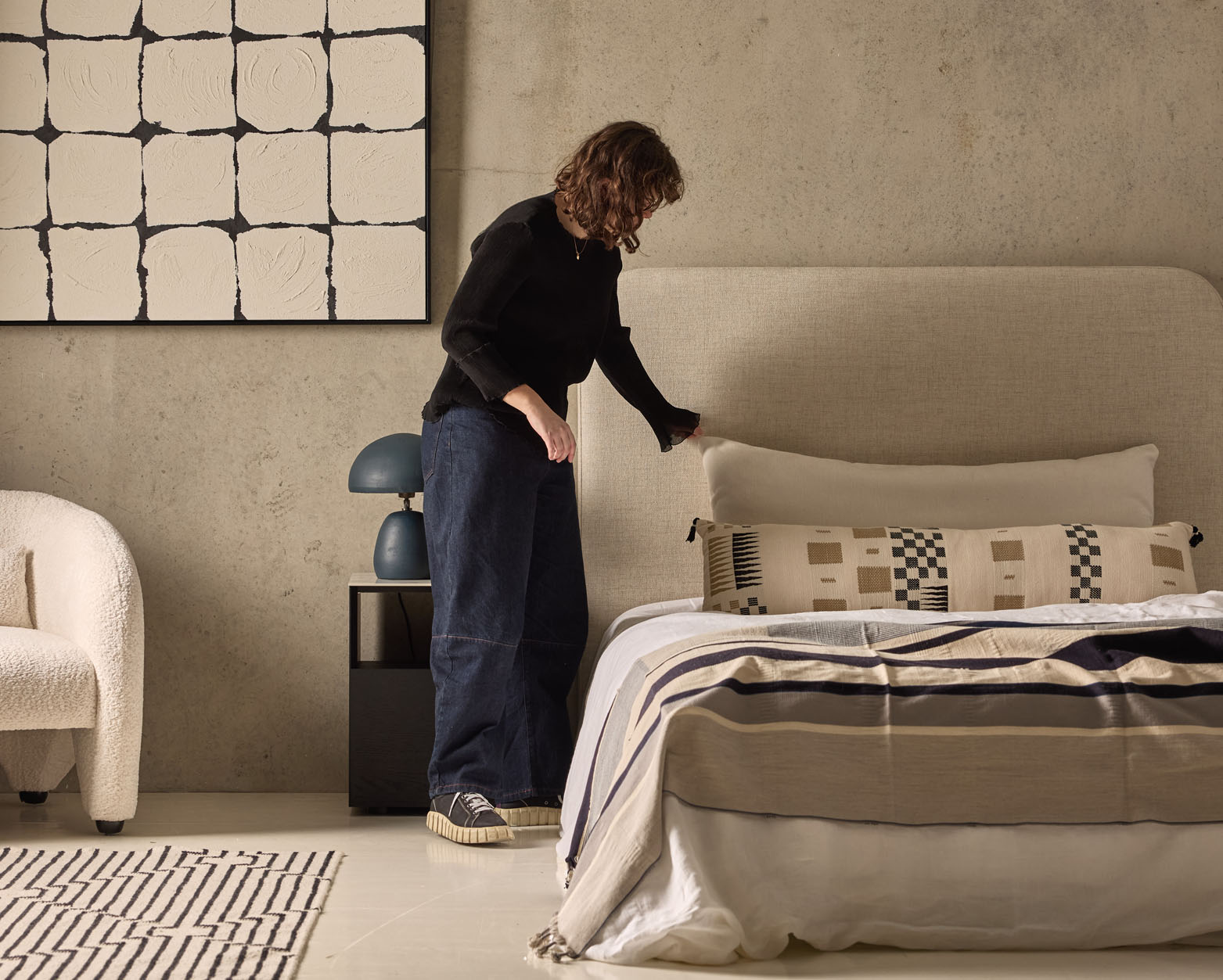
Yes, most interior designers do provide or source furniture, but how it works varies depending on their business model.
Written by Sam Horgan
Date:
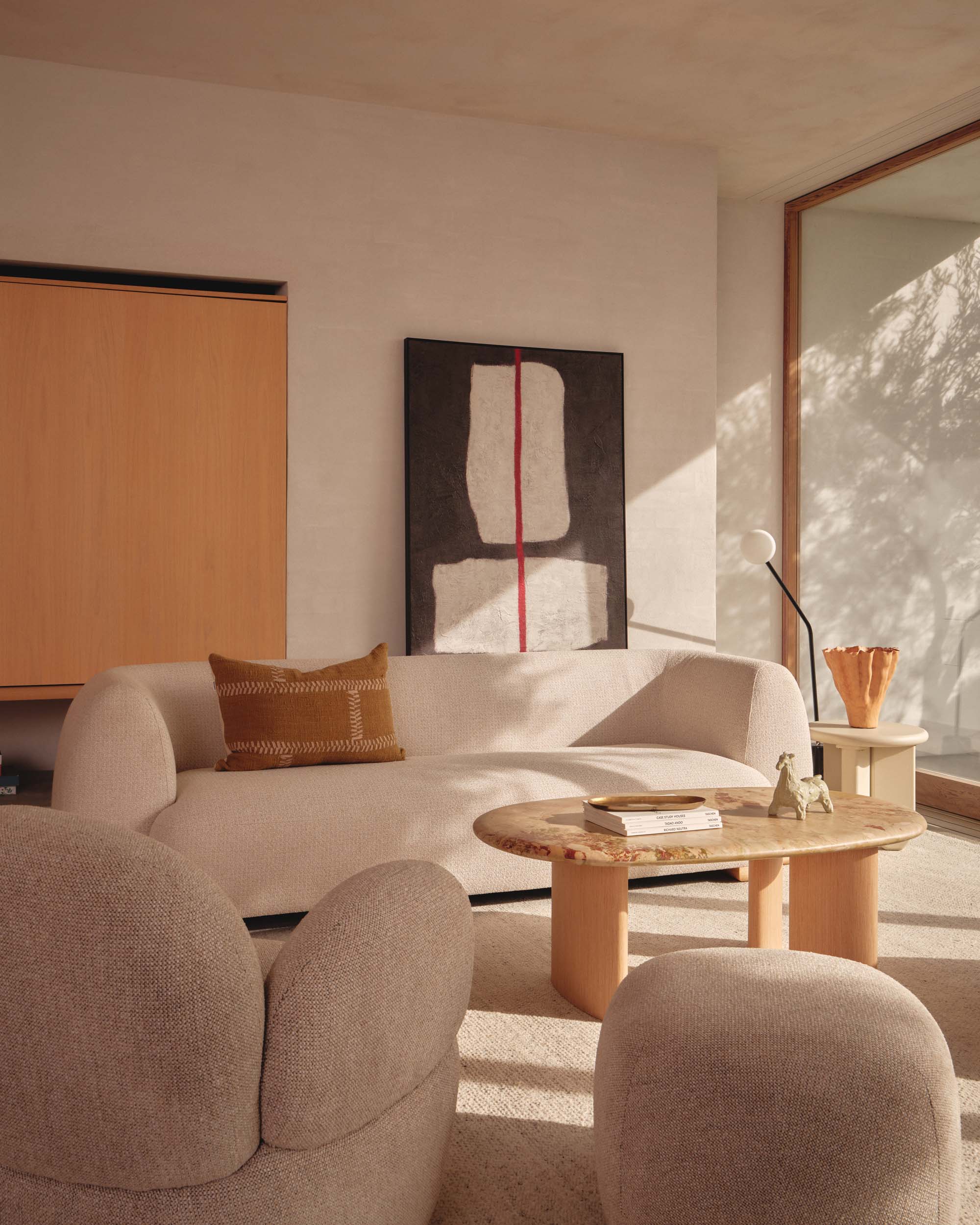
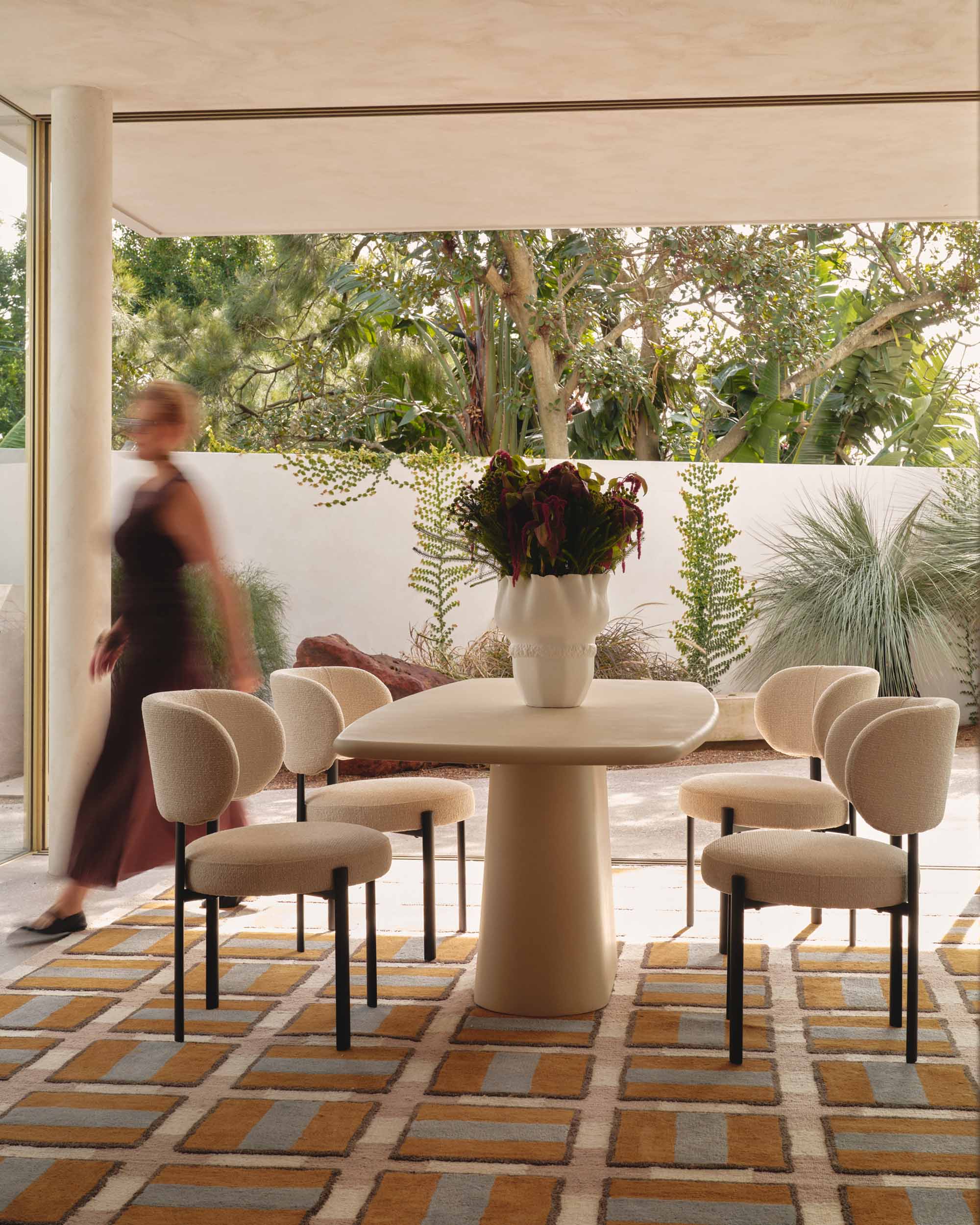
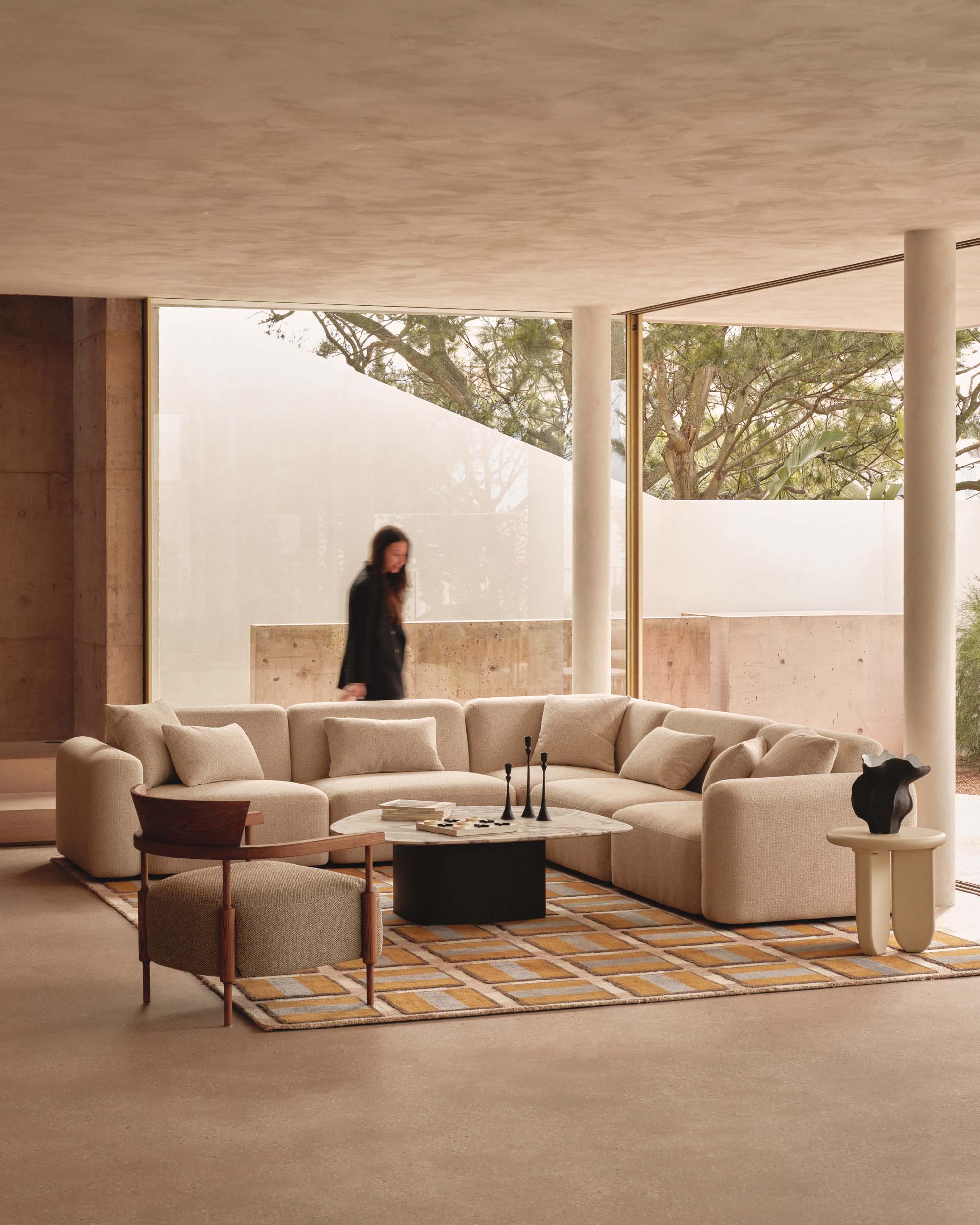
Some designers simply make recommendations and allow you to purchase the pieces yourself. Others offer a complete service, managing the entire process from sourcing and ordering through to delivery coordination, installation, and final styling. Many designers purchase modern furniture through trade accounts, including programs like the Horgans furniture trade program, which offer access to furniture, lighting and homewares collections, exclusive pricing, and curated pieces not always available to the public.
You are not just receiving access to furniture through a designer, you are also benefiting from their experience, technical knowledge, and their ability to ensure every piece is fit for purpose and suited to how you will use the space.
What is Included in an Interior Design Package
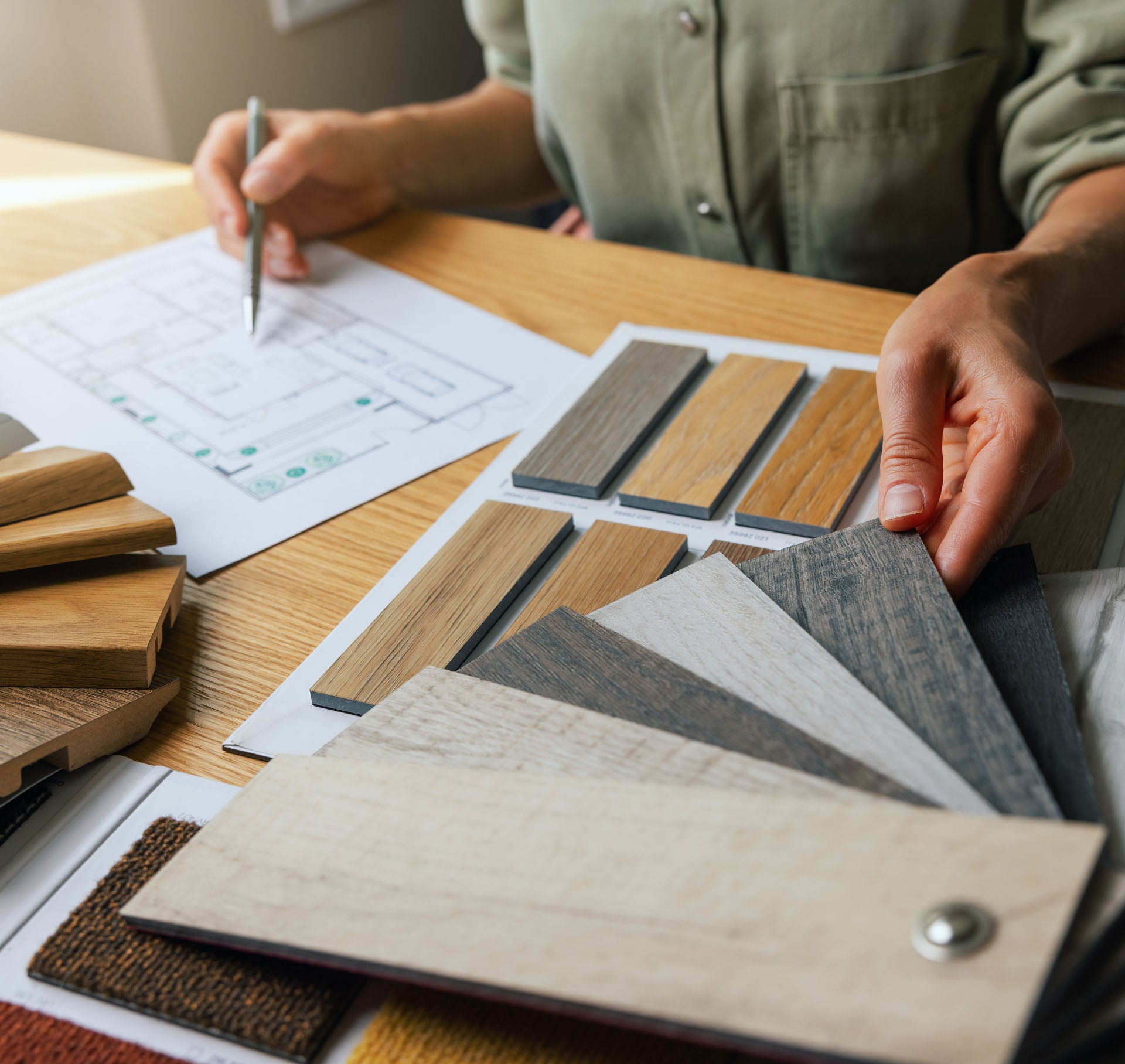
While every design studio in Australia operates a little differently, most offer tiered packages that may include a combination of the following:
• Initial consultation
• Concept design and moodboards
• Layout planning and space optimisation
• 3D visualisation or rendering
• Material, fixture, and furniture selection
• Procurement and ordering
• Project management
• On-site styling and installation
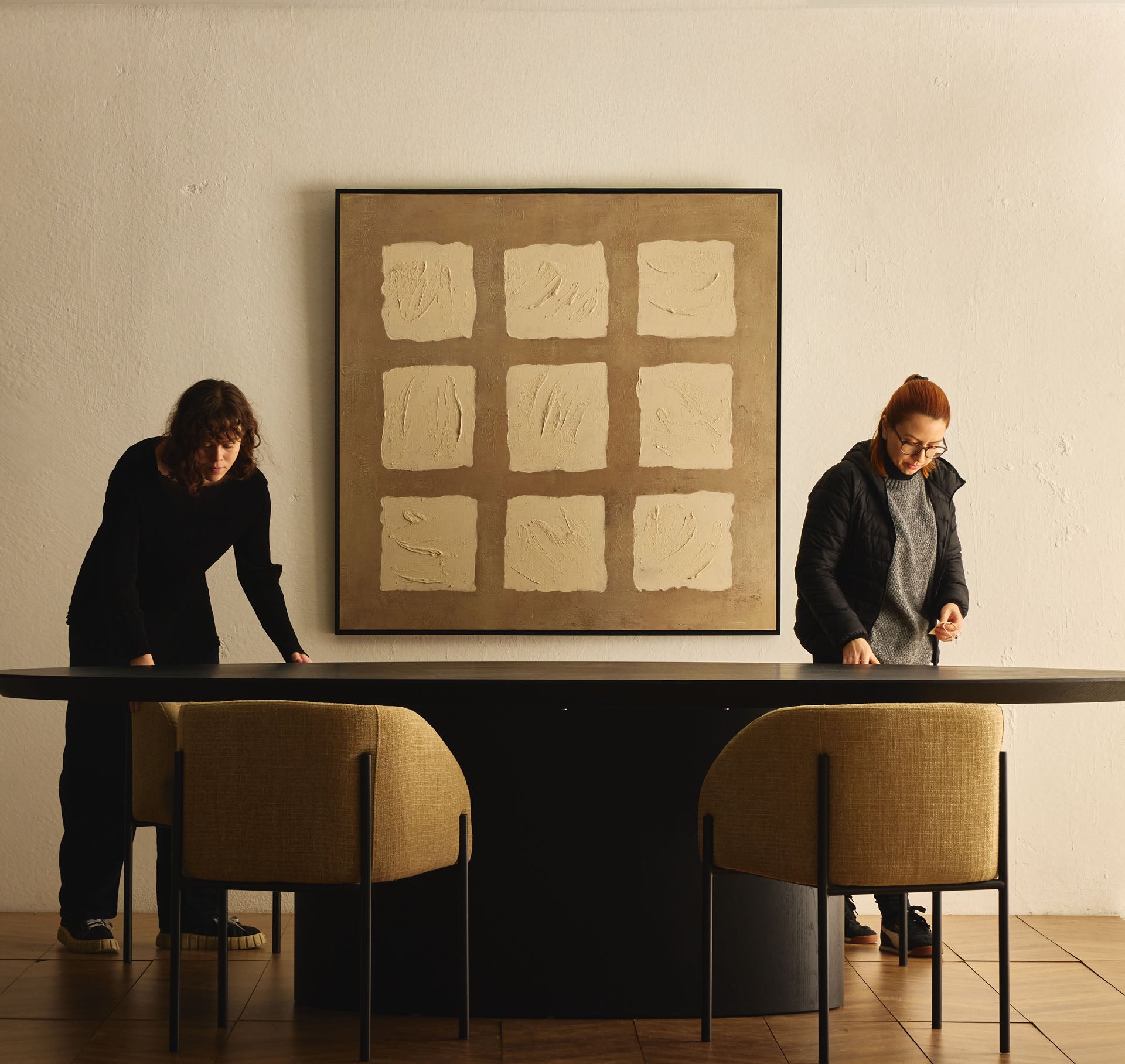
A significant part of an interior designer’s role is selecting finishes and fixtures that are fit for purpose, tailored to the functionality and style of the project. Designers consider durability, daily use, maintenance needs, and performance. For example, a high-traffic area may require commercial-grade fabrics or robust timber finishes, while a softer residential environment may allow more delicate materials.
Designers also assess the unique characteristics of the space before recommending furniture. This includes:
• Existing finishes and materials
• Lighting (natural and artificial)
• Architectural features
• Environmental factors such as sun exposure, ventilation, or humidity
• How the end user will interact with the space

They will measure the layout, evaluate flow, and ensure proportions are appropriate.
A well-designed room is not simply filled with beautiful furniture; it is filled with pieces that enhance movement, balance, comfort, and purpose.
Designers often draw inspiration from past projects, design trends, curated collections of designer furniture, and professional case studies, such as a commercial interior design project, when shaping their recommendations.
Where Do Interior Designers Shop and How Do They Choose Furniture?
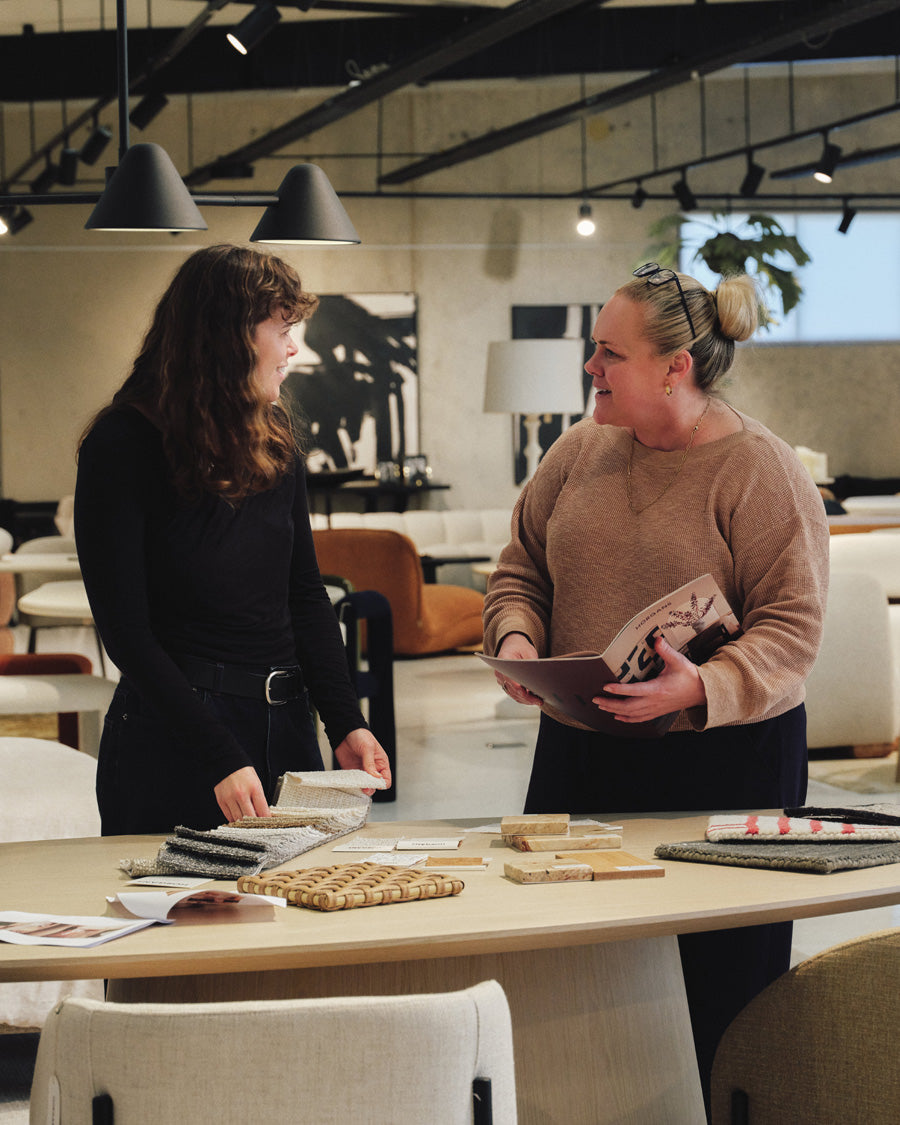
Choosing furniture is a structured process that blends creativity with practical decision making. Designers typically:
1. Understand the client’s lifestyle or business needs
2. Define a visual direction and preferred style
3. Measure and assess the space
4. Select materials, finishes, and fabrics suited to the environment
5. Source from trusted suppliers
6. Curate a cohesive scheme that feels intentional and balanced
Designers source furniture in several ways, including:
Direct Trade Accounts: Many designers work with wholesale suppliers through exclusive programs such as the Horgans furniture trade program. Direct access ensures designers can specify products, request product details, and select configurations that support their design vision.
Resellers: Some designers operate as resellers, purchasing wholesale and supplying pieces directly as part of a fully curated solution.
Custom or Local Makers: Designers often collaborate with Australian makers for bespoke cabinetry, custom upholstery, or one-off pieces crafted to exact dimensions and finishes.
Showrooms and Trade Fairs: Designers attend Australian trade fairs and visit showrooms regularly to preview new collections, evaluate scale in person, and understand material quality.
A designer’s true strength lies in their ability to source from multiple suppliers while achieving a cohesive and harmonious look. They blend different materials, textures, and silhouettes across brands to create a unique scheme that feels curated rather than mismatched. This layered approach gives clients access to a personalised, professionally considered result.
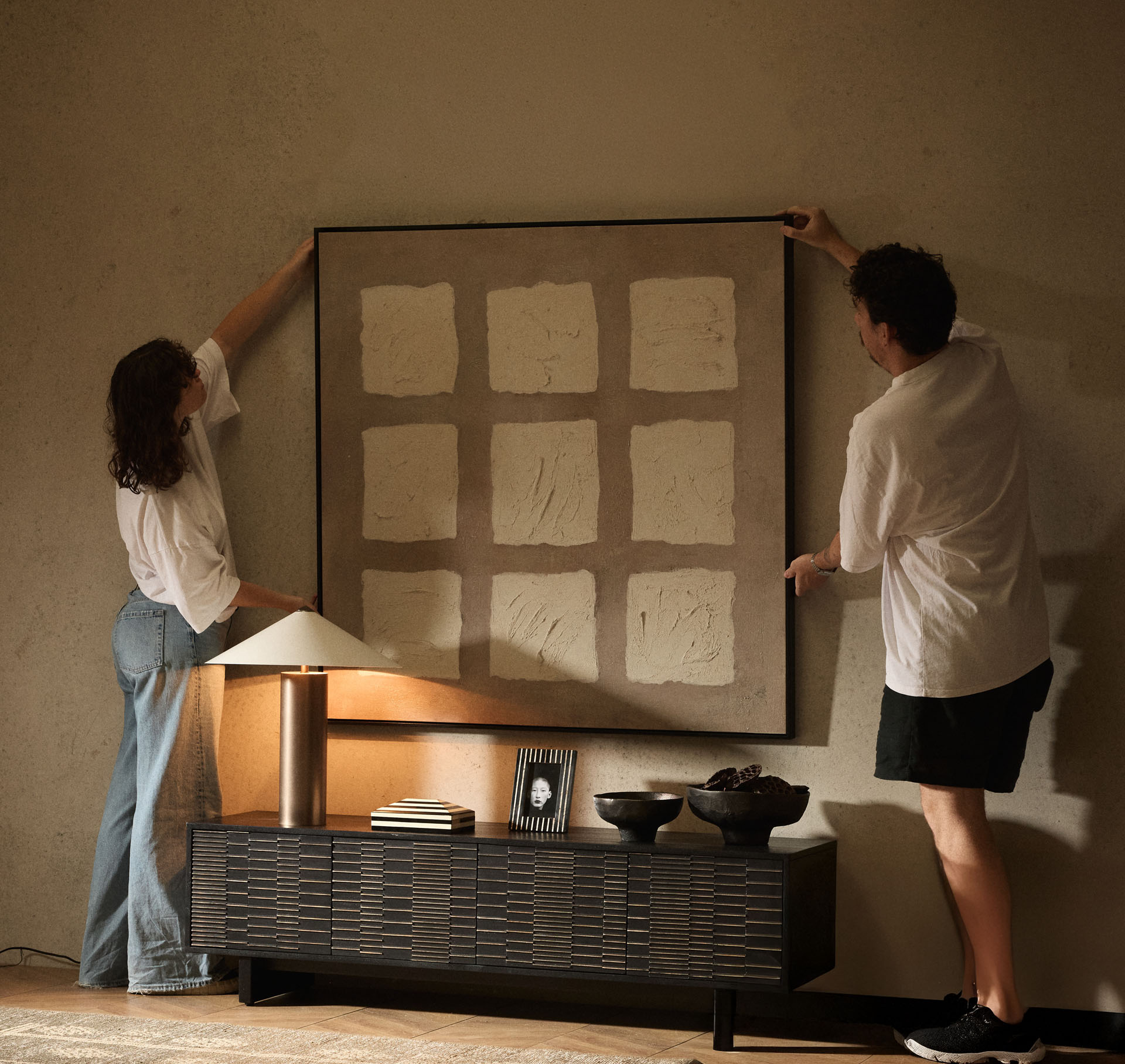
Benefits of Buying Furniture from an Interior Designer
1 - Convenience and Peace of Mind
Designers oversee the entire procurement process, from ordering to warehousing and installation. Their involvement removes complexity and allows you to enjoy the transformation without managing logistics.
2 - Accountability
If an item arrives incorrectly, is delayed, or needs replacing, the designer handles communication and resolution with suppliers.
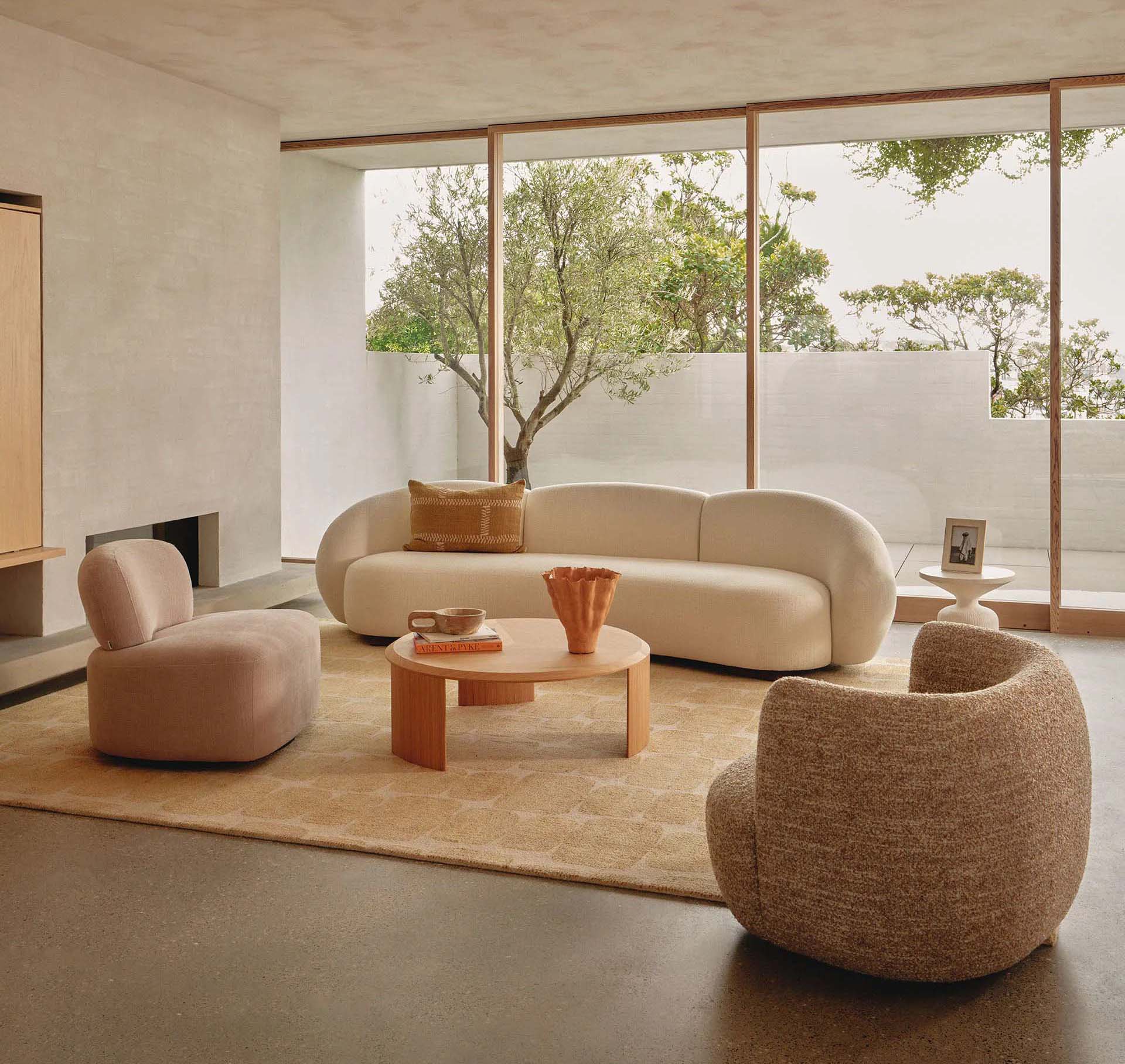
3 - Design Cohesion
A designer ensures every element, furniture, lighting, materials, and décor aligns beautifully, resulting in a space that feels balanced and intentional.
4 - Trade Access
Designers can often access exclusive products, early-release collections, and high-quality finishes not always available to retail customers.
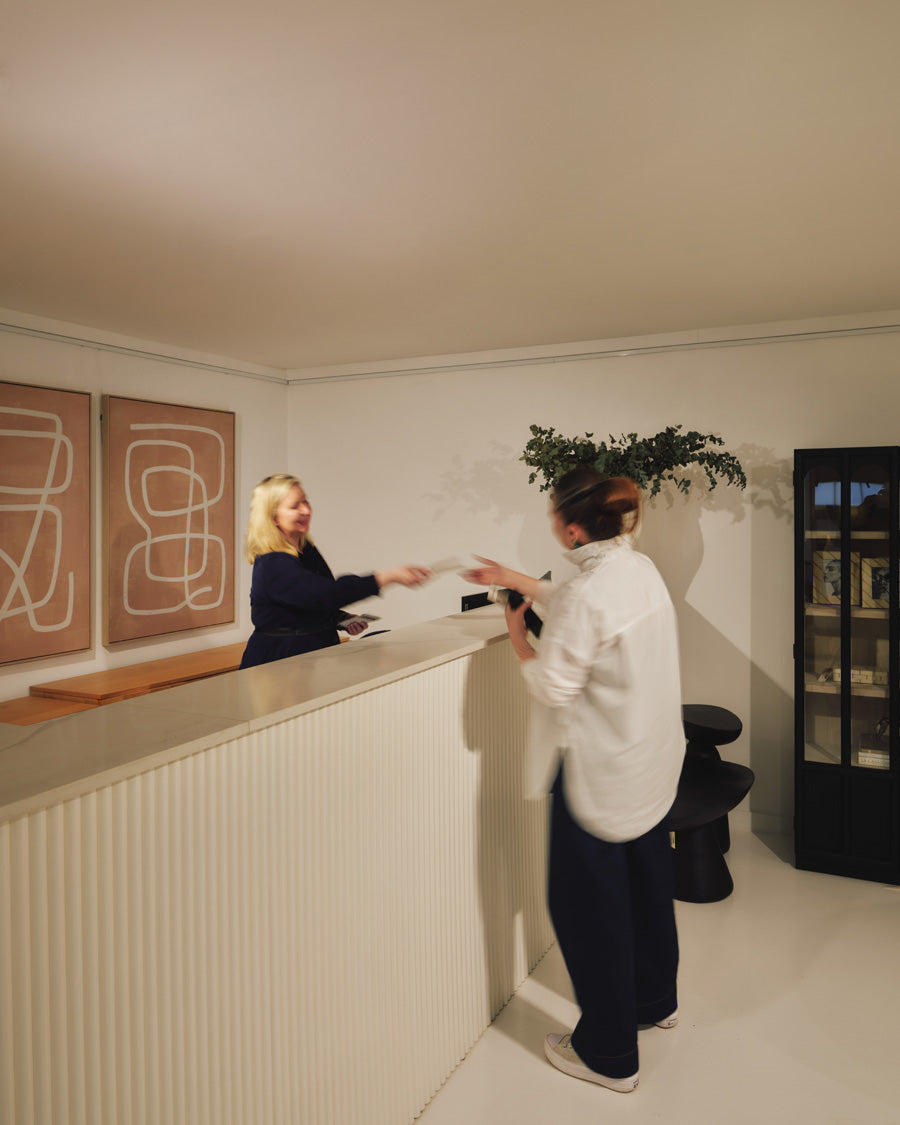
Final Thoughts
So, do interior designers provide furniture? Yes, most do, and their approach depends on the level of service they offer. While you can always source furniture yourself, working with a designer brings expertise, spatial understanding, aesthetic cohesion, and practical support that can significantly elevate the outcome.
If you are planning a new project, you can book a design consultation or visit our furniture showroom in Sydney to explore our collections and speak with our team. We have a network of experienced designers working in different styles and market sectors that we can connect you with.

Read more
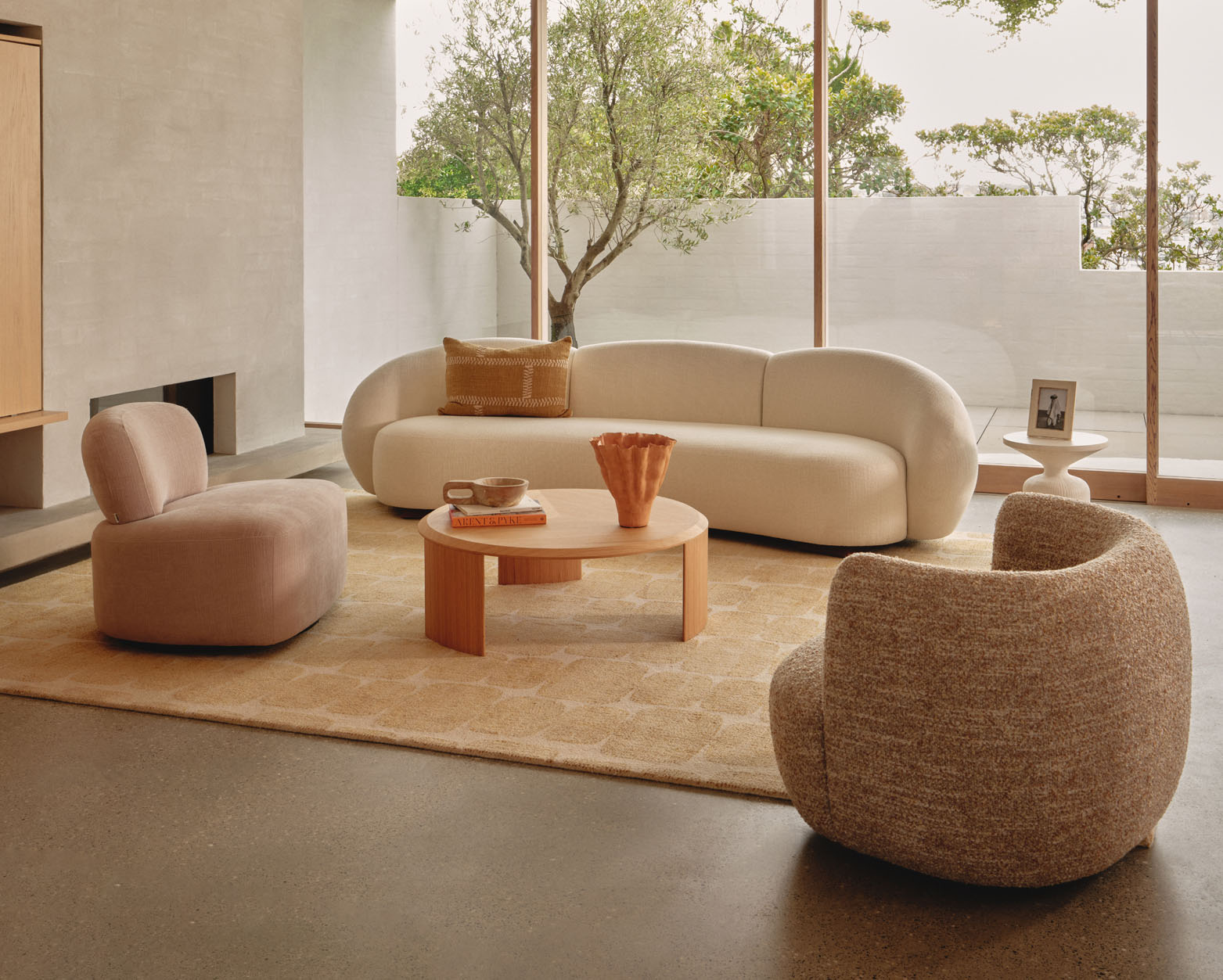
10 Thoughtful Decorating Ideas for a Home That Feels Elegantly Curated
Discover 10 stylish ways to decorate your home—from playing with symmetry to clever seasonal swaps and the modern touches that will make any space feel curated.
Read more
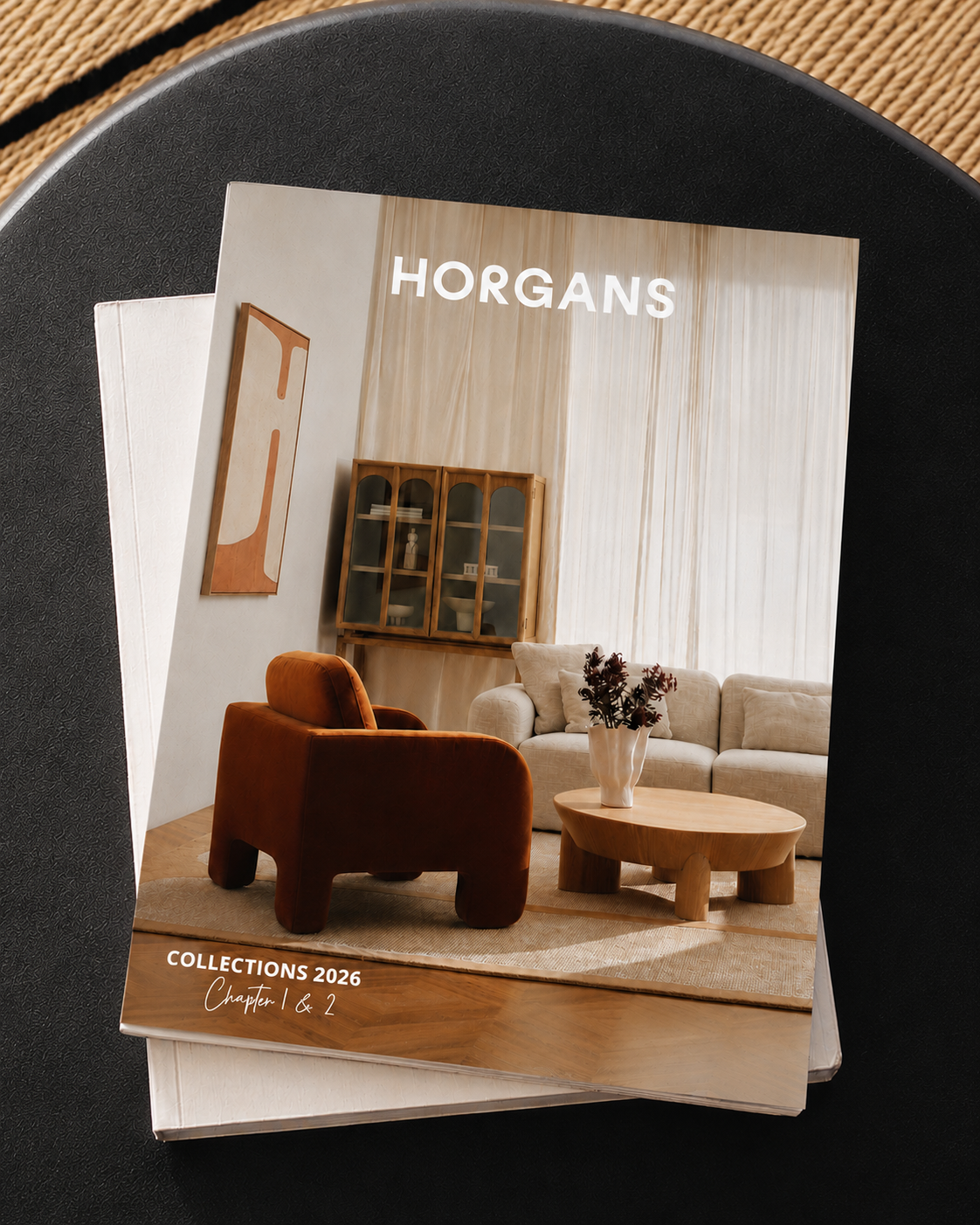
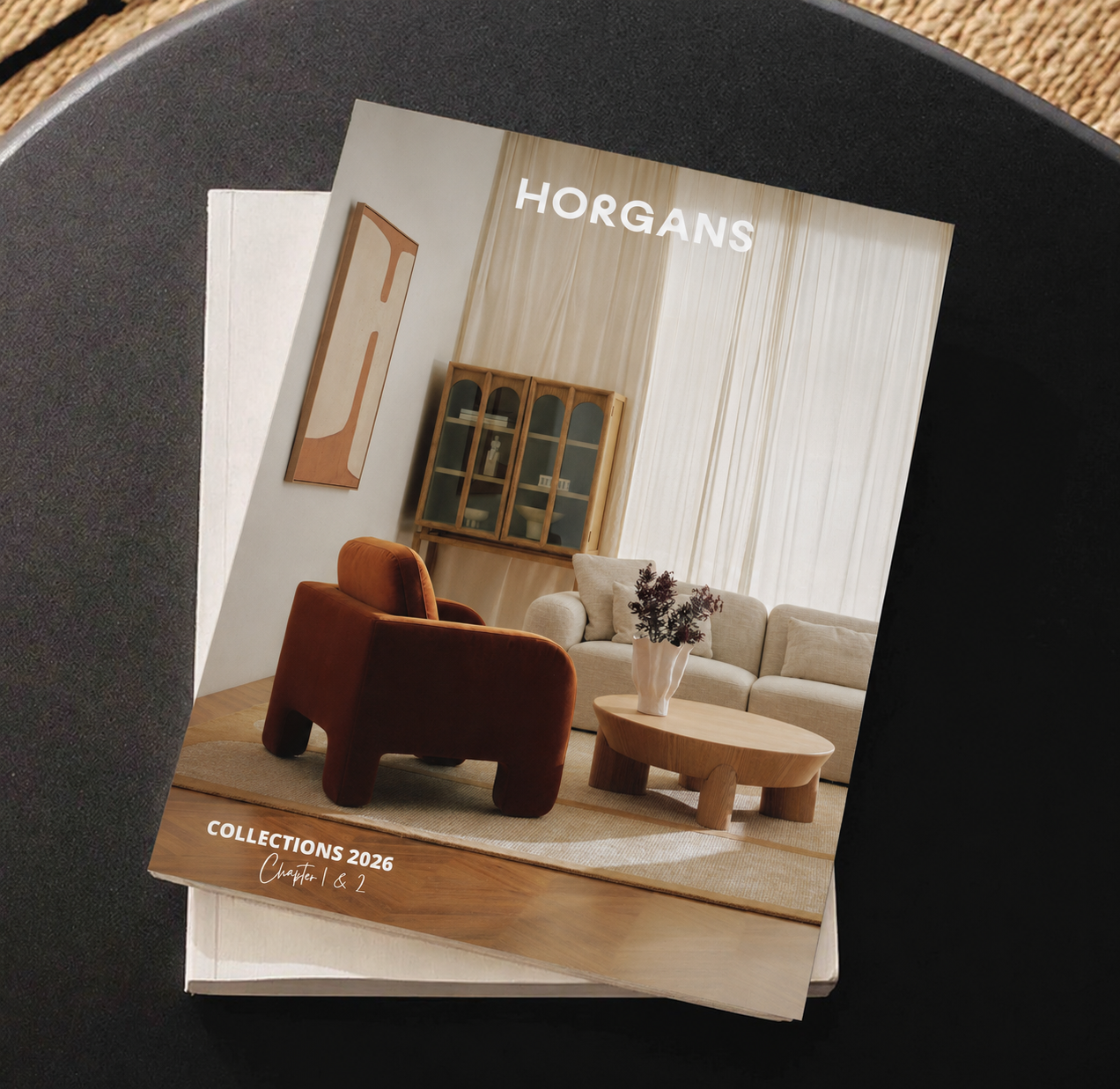
Discover Collections 2026, Chapter 1 by Horgans
A furniture collection defined by warm modernity, sculptural forms and thoughtful materials designed for contemporary interiors.
Read more